ΕΡΕΥΝΑ ΣΤΟ ΕΘΝΙΚΟ ΑΡΧΑΙΟΛΟΓΙΚΟ ΜΟΥΣΕΙΟ-RESEARCH AT THE NATIONAL ARCHAEOLOGICAL MUSEUM-ATHENS

Έρευνα στο Εθνικό Αρχαιολογικό Μουσείο
Ανασύνθεση τεχνικών χρυσοχοίας της Μυκηναϊκής εποχής (16ος – 12ος αι. π.Χ.)   

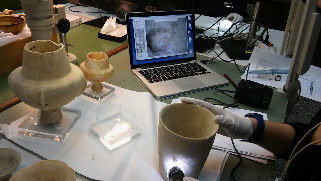
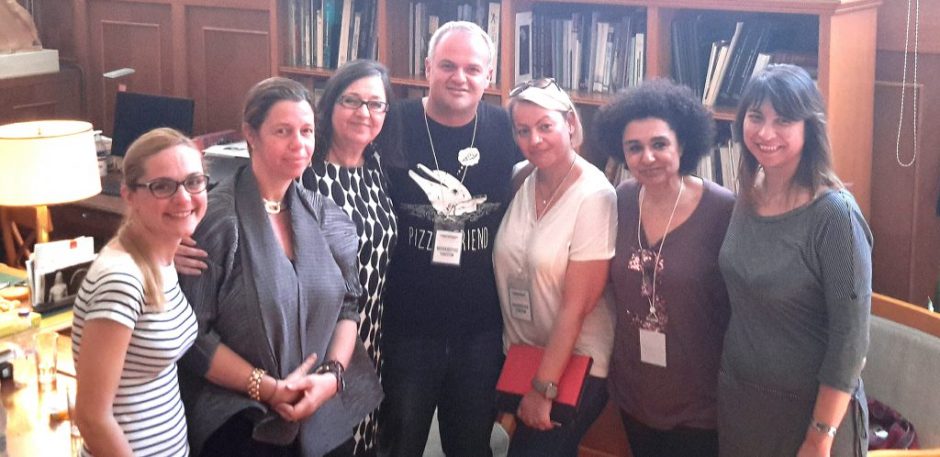
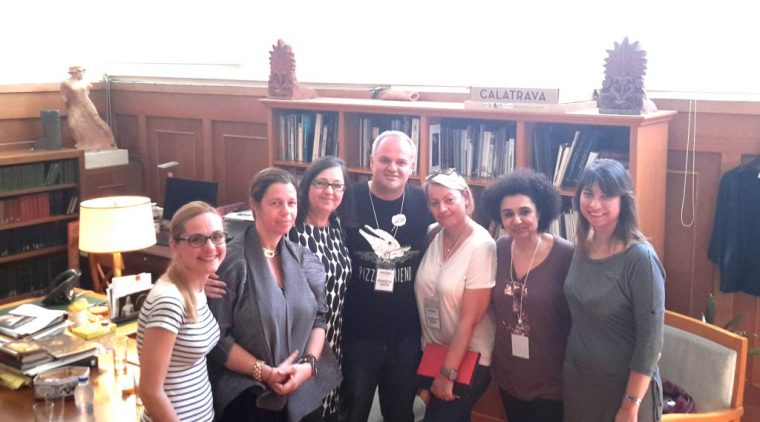
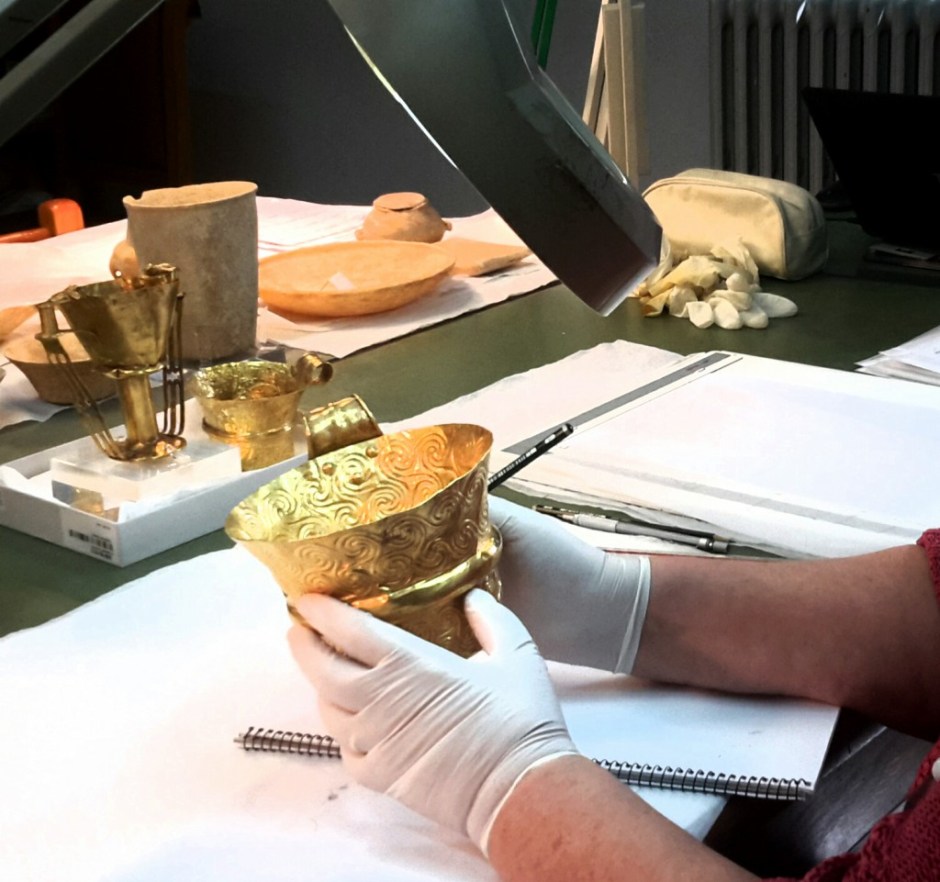
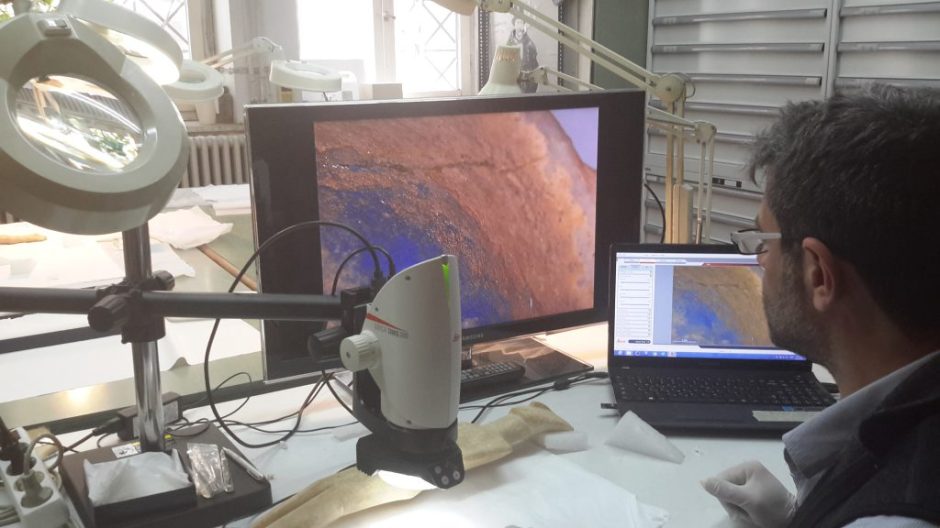
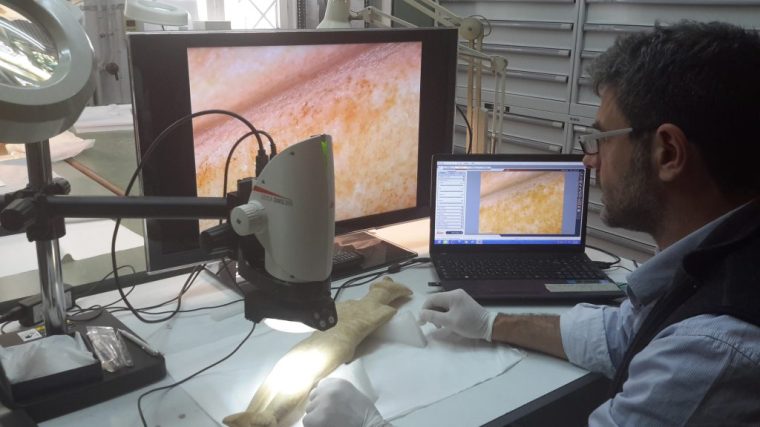
Μελέτη κοσμημάτων του Ταφικού Κύκλου Α των Μυκηνών (16ος αι. π.Χ.) διεξάγεται στο Εθνικό Αρχαιολογικό Μουσείο, στο πλαίσιο ερενητικού προγράμματος για την ανασύνθεση τεχνικών χρυσοχοίας της Ύστερης Εποχής του Χαλκού (16ος -12ος αι. π.Χ.). Υπεύθυνοι του προγράμματος είναι οι επιμελητές αρχαιοτήτων Δρ. Ελένη Κωνσταντινίδη-Συβρίδη (ΕΑΜ) και Δρ. Νίκος Παπαδημητρίου (ΜΚΤ), ενώ καθοριστική είναι η συμμετοχή του χρυσοχόου και ερευνητή κοσμήματος κ. Άκη Γκούμα.

Το πρόγραμμα βασίζεται σε υλικό που φυλάσσεται στο Εθνικό Αρχαιολογικό Μουσείο -ακέραια και ημιτελή κοσμήματα, σπασμένα ή παραμορφωμένα, που προσφέρουν πολύτιμες πληροφορίες, αφού σώζουν την αυθεντική επιφάνεια που δεν έχει υποστεί μηχανικό καθαρισμό- και φιλοδοξεί να ανασυνθέσει λιγότερο ή περισσότερο γνωστές τεχνικές της Μυκηναϊκής περιόδου. Ανάμεσα στους στόχους της ομάδας εργασίας, στην οποία συμμετέχουν επίσης συντηρητές αρχαιοτήτων του Εργαστηρίου Μετάλλου του ΕΑΜ και χημικοί, είναι η ταύτιση των κυρίων και δευτερευόντων σταδίων της δουλειάς με μακροσκοπικές παρατηρήσεις και εργαστηριακές αναλύσεις, η εξακρίβωση των συμπερασμάτων βάσει πειραμάτων και η ανίχνευση πιθανών περιπτώσεων ανταλλαγής τεχνογνωσίας με άλλες περιοχές εντός και εκτός Αιγαίου.

Research at the National Archaeological Museum, Athens
Reconstructing gold-working techniques of the Mycenaean period
(16
th – 12th cent. BC)

Study of jewellery from Grave Circle A at Mycenae (16th cent. BC) takes place in National Archaeological Museum, in the frame of a research program for reconstruction of gold-working techniques from the Late Bronze Age (16th – 12th cents. BC). Managers of the program are the curators Dr. Eleni Konstantinidi-Syvridi (NAM) and Dr. Nikos Papademetriou (MCA), while the involvement of Mr. Akis Goumas, jewellery designer and researcher, is particularly crucial.

The program is based on material held at the NAM –both intact and half-finished pieces of jewellery, broken or deformed -that offer valuable information since they preserve the authentic surface without any mechanical cleaning- and aims to reconstruct more or less familiar techniques of the Mycenaean era.  Among the objectives of the research team, which is further supported by conservators of antiquities from the Metals Laboratory of NAM and chemists, are the identification of main and secondary stages of work by macroscopic observations and laboratory analyses, the verification of the conclusions based on experiments and the detection of possible cases of technological exchanges between other regions, inside or outside the Aegean.
 

ΕΡΕΥΝΑ ΣΤΟ ΕΘΝΙΚΟ ΑΡΧΑΙΟΛΟΓΙΚΟ ΜΟΥΣΕΙΟ-RESEARCH AT THE NATIONAL ARCHAEOLOGICAL MUSEUM-ATHENS

This slideshow requires JavaScript.


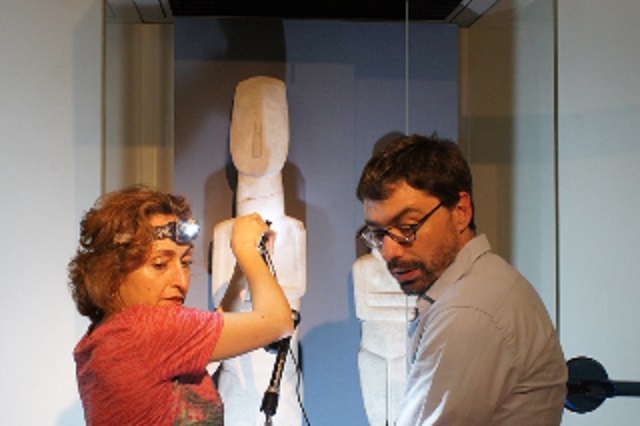
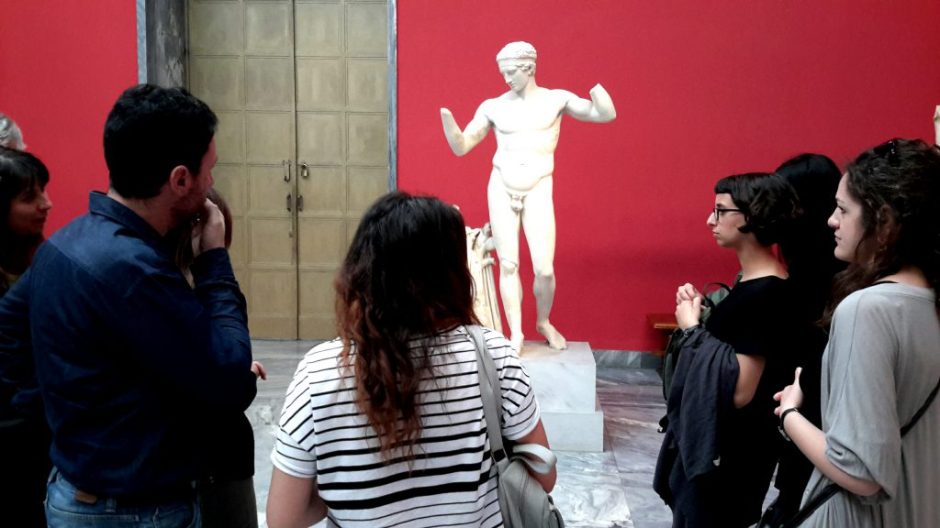
Στις Κυκλάδες, κατά την 3η χιλιετία, η ανθρώπινη μορφή, από την πλέον συνοπτική και σχηματική έως τη πιο φυσιοκρατική απόδοσή της λαξεύτηκε στο μάρμαρο και στη συνέχεια συμπληρώθηκε και ολοκληρώθηκε με ζωγράφιση. Μάτια, μαλλιά, κοσμήματα και άλλα θέματα, χρωματισμένα με κόκκινο, γαλάζιο ή μαύρο χρώμα, έδιναν ενέργεια και ιδιαίτερα χαρακτηριστικά στις μορφές, που με αυτόν τον τρόπο εμψυχώνονταν και αποκτούσαν ανθρώπινη ζωντάνια. Η ζωγραφική, επομένως, αποτελούσε βασικό στοιχείο για την απεικόνιση της ανθρώπινης μορφής. (Κείμενο: Κική Μπίρταχα)
During the third millennium BC in the Cyclades, the human figure was rendered with stereotypical, repeated characteristics. In every case, from the most concise and schematic to the most naturalistic representation, whether two-dimensional or three-dimensional, the human figure was carved as an outline in white marble and then complemented and completed by painting, as a basic component of the representation. The marble figurine had to be painted, its white surface had to be animated by colour, enlivened by painted eyes, hair, jewellery, decorative patterns and body marks. The white skin of the marble functioned as a ground for the application of the paint, and the austere form thus acquired special characteristics, vitality and energy; it became ‘human’. Cycladic figurines, therefore, are at once works of sculpture and of painting. (Text by: Kiki Birtacha)

ΕΙΚΑΣΤΙΚΟ ΕΡΓΑΣΤΗΡΙ ΣΤΟ ΕΘΝΙΚΟ ΑΡΧΑΙΟΛΟΓΙΚΟ ΜΟΥΣΕΙΟ-ART WORKSHOP AT THE NATIONAL ARCHAEOLOGICAL MUSEUM-ATHENS

This slideshow requires JavaScript.


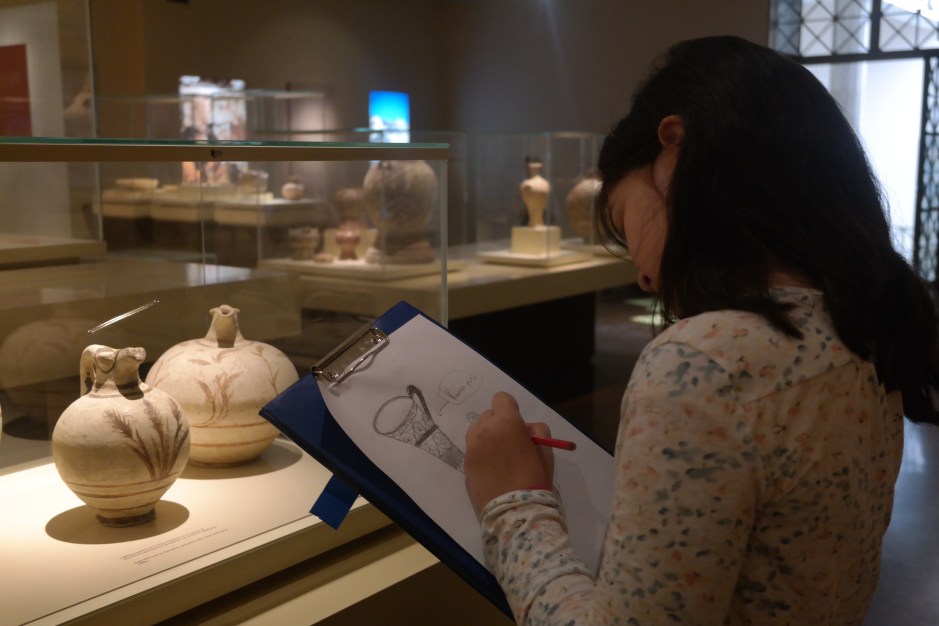
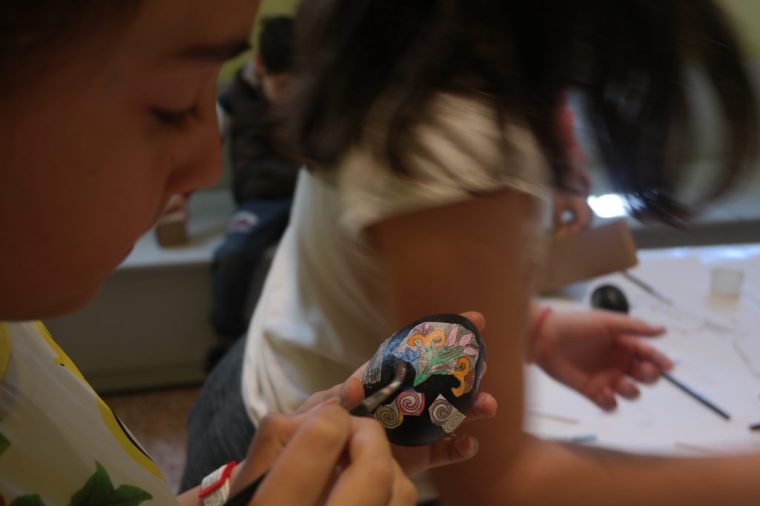
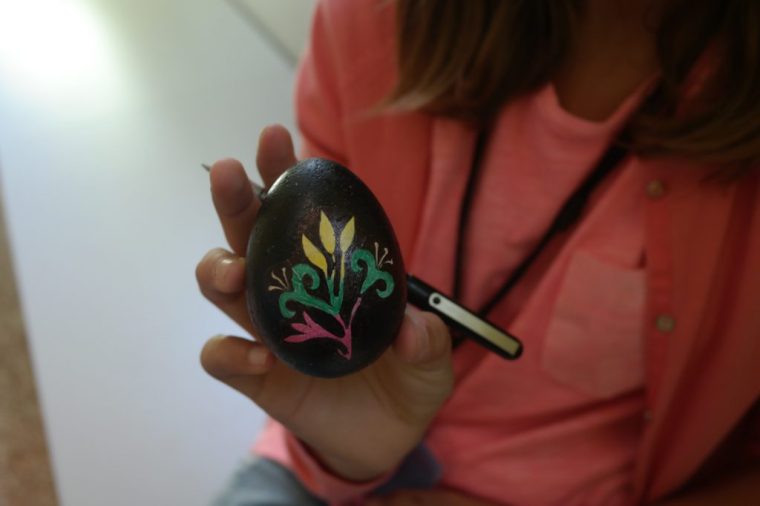
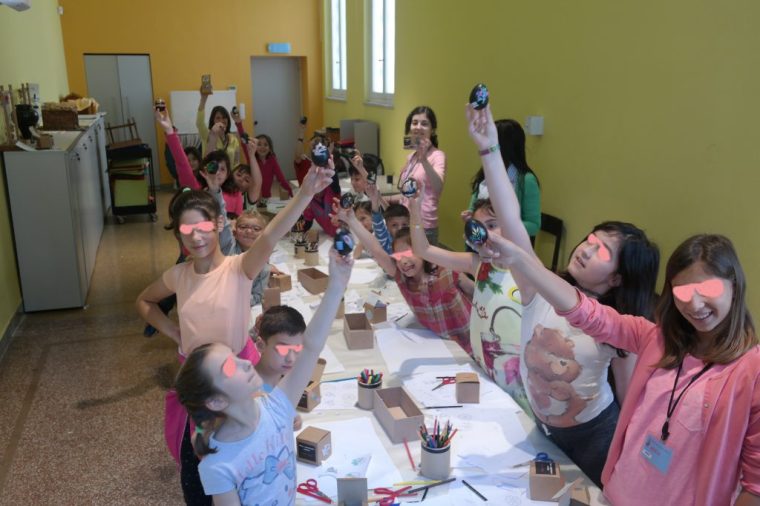
Εκπαιδευτικό πρόγραμμα με τίτλο “Καλωσορίζοντας την Άνοιξη” και εικαστικό εργαστήρι κατασκευής πασχαλινού αυγού. Οι μικροί φίλοι του Εθνικού Αρχαιολογικού Μουσείου δημιούργησαν το δικό τους πασχαλινό αυγό τη Μεγάλη Τρίτη!
The young friends of the National Archaeological Museum created their own Easter egg on Good Tuesday!

ΙΣΤΟΡΙΕΣ ΤΗΣ ΠΑΣΧΑΛΙΑΣ ΣΤΟ ΕΘΝΙΚΟ ΑΡΧΑΙΟΛΟΓΙΚΟ ΜΟΥΣΕΙΟ-EASTER STORIES AT THE NATIONAL ARCHAEOLOGICAL MUSEUM-ATHENS


Οι μικροί φίλοι του Εθνικού Αρχαιολογικού Μουσείου χάρηκαν τη Μεγάλη Δευτέρα πρωτότυπες ιστορίες της Πασχαλιάς και της Άνοιξης από τη Νίκη Κάπαρη και τον Γιάννη Ψειμάδα.
The young friends of the National Archaeological Museum enjoyed on Good Monday original stories of Easter and Spring from Nike Capari and John Pseimadas.

ΚΥΡΙΑΚΑΤΙΚΟΣ ΠΕΡΙΠΑΤΟΣ ΣΤΟ ΕΘΝΙΚΟ ΑΡΧΑΙΟΛΟΓΙΚΟ ΜΟΥΣΕΙΟ – SUNDAY STROLL THROUGH THE TEMPORARY EXHIBITION OF THE NATIONAL ARCHAEOLOGICAL MUSEUM


«΄Ενα όνειρο ανάμεσα σε υπέροχα ερείπια…Περίπατος στην Αθήνα των περιηγητών, 17ος-19ος αιώνας»: Εικόνες από τον 9ο Κυριακάτικο Περίπατο.
“A dream among splendid ruins…Strolling through the Athens of travelers, 17th-19th century”: Images from the 9th Sunday Stroll.

ΕΡΕΥΝΑ ΣΤΟ ΕΘΝΙΚΟ ΑΡΧΑΙΟΛΟΓΙΚΟ ΜΟΥΣΕΙΟ-RESEARCH AT THE NATIONAL ARCHAEOLOGICAL MUSEUM-ATHENS


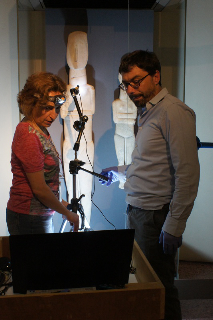
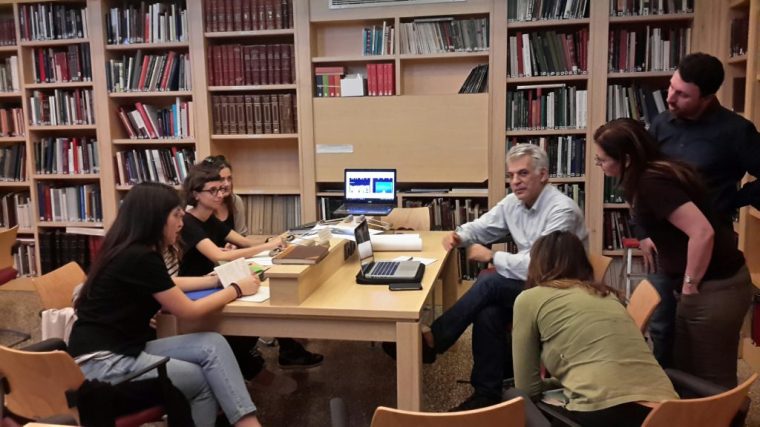
Μελέτη κυκλαδικών ειδωλίων και αγγείων στο Εθνικό Αρχαιολογικό Μουσείο
στο πλαίσιο του ερευνητικού προγράμματος “The technology of Early
Cycladic marble” (2016-17), που διεξάγεται σε συνεργασία με το Μουσείο
Κυκλαδικής Τέχνης. Υπεύθυνοι του προγράμματος είναι οι επιμελητές
αρχαιοτήτων Δρ Κάτια Μαντέλη (ΕΑΜ) και Δρ Νίκος Παπαδημητρίου (ΜΚΤ).
Στο πρόγραμμα συμμετέχουν οι Κική Μπίρταχα (αρχαιολόγος), Δρ Σοφία
Σωτηροπούλου (Ίδρυμα Ορμύλια – Διαγνωστικό Κέντρο Έργων Τέχνης), Δρ
Elise Morero (Πανεπιστήμιο Οξφόρδης), Γιάννης Παναγάκος (συντηρητής
ΕΑΜ) κ.ά. Η έρευνα χρηματοδοτείται από το Institute for Aegean
Prehistory.

Study of Cycladic figurines and pottery in the National Archaeological Museum
in the context of the research project “The technology of Early
Cycladic marble “(2016-17), carried out in collaboration with the Museum
of Cycladic Art. Managers of the project are the curators
Dr. Katia Manteli (NAM) and Dr. Nikos Papadimitriou (MCA).
The following researchers are involved in the program: Kiki Birtacha (archaeologist), Dr. Sophia Sotiropoulos (Ormylia Foundation – Art Diagnosis Centre), Dr. Elise Morero (Oxford University), John Panagakos (conservator of the National Archaeological Museum) and others. The research is funded by the Institute for Aegean Prehistory.

ΚΑΤΙ ΝΕΟ ΕΤΟΙΜΑΖΟΥΝ… SOMETHING NEW IS BEING PREPARED

ΠΡΟΣΕΧΩΣ…

Κάτι νέο ετοιμάζει το Εθνικό Αρχαιολογικό Μουσείο με τους σπουδαστές του Τμήματος Γραφιστικής των ΑΤΕΙ Αθήνας!

COMING SOON…

The National Archaelogical Museum is preparing something new in cooperation
with the Department of Graphic Design of the Technological Educational Institute of Athens!

ΑΘΕΑΤΟ ΜΟΥΣΕΙΟ: ΔΕΥΤΕΡΗ ΠΑΡΟΥΣΙΑΣΗ-THE UNSEEN MUSEUM: SECOND PRESENTATION

This slideshow requires JavaScript.


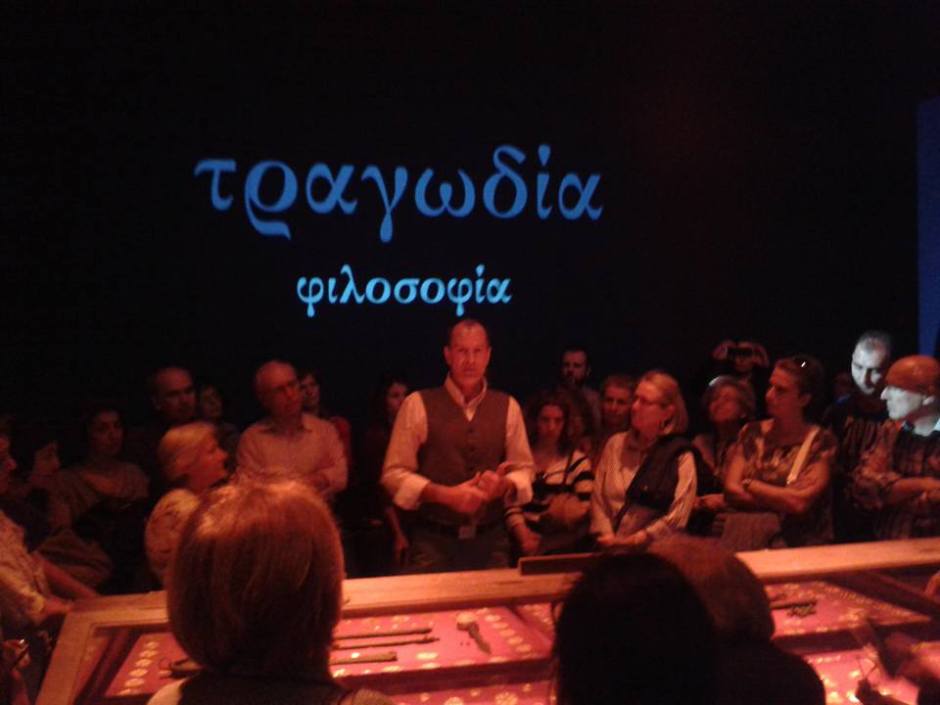
Εξήντα φίλοι των σπάνιων στιγμών απόλαυσαν σήμερα τη δεύτερη παρουσιάση της πολυτάραχης ζωής της Αρσινόης Β΄, βασίλισσας της Θράκης, της Μακεδονίας και της Αιγύπτου!
Sixty friends of rare moments enjoyed today the second presentation of the turbulent life of Arsinoe II, Queen of Thrace, Macedonia and Egypt!

ΕΡΕΥΝΑ ΣΤΟ ΕΘΝΙΚΟ ΑΡΧΑΙΟΛΟΓΙΚΟ ΜΟΥΣΕΙΟ – RESEARCH AT THE NATIONAL ARCHAEOLOGICAL MUSEUM – ATHENS


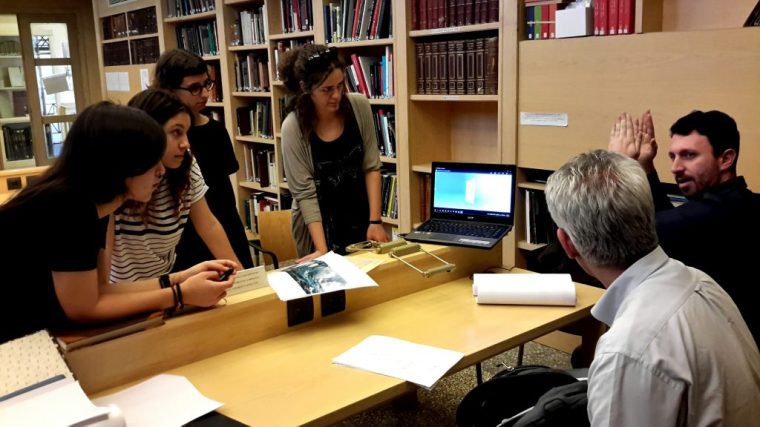
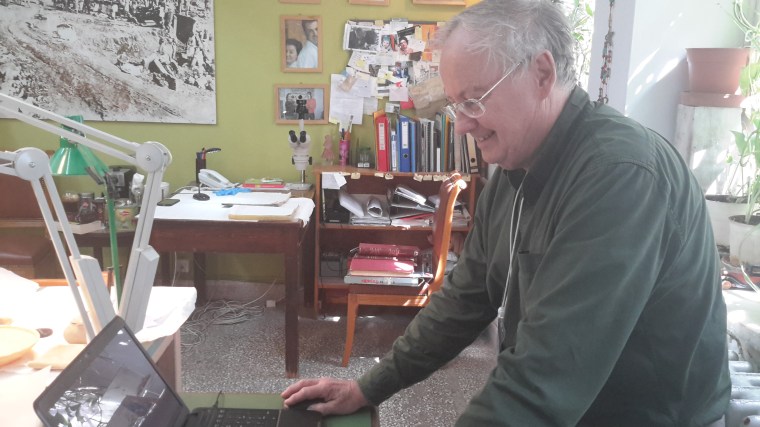
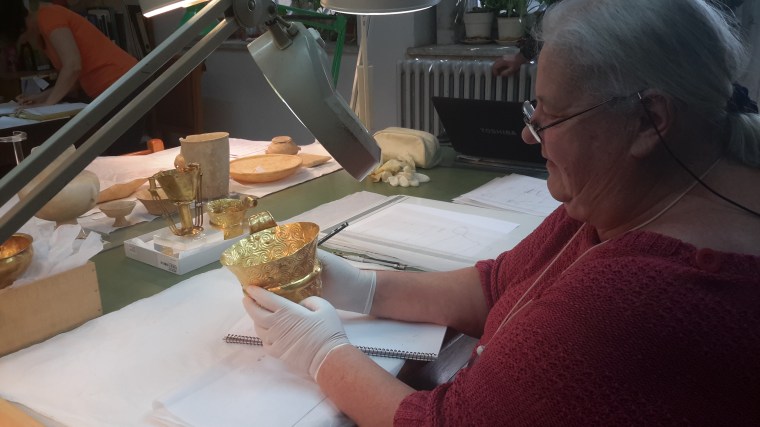
Ο Dr. Ken Wardle (Πανεπιστήμιο του Birmingham) και η Diana Wardle (επίτιμη επιστημονική συνεργάτρια) μιλούν για τα χρυσά κύπελλα του Ταφικού Κύκλου Α των Μυκηνών.
Dr. Ken Wardle (University of Birmingham) and Diana Wardle (Honorary Research Fellow) speaking about the gold vessels of Grave Circle A, Mycenae.